1X NEO
A home humanoid sold direct to households: $200 down, then $20,000 or $499 a month. As of mid-July 2026, no delivery to a paying customer had been independently verified.
- Maker
- 1X
- Year
- 2025
- Category
- Robotics
$20,000 purchase or $499/month; $200 deposit
Asking · 1X · checked 24 Nov 2026
Relic Score
How we scoreWell reported, and significant if it ships as sold. Deliveries to paying customers were unverified at the last date we could check.
The three questions we ask of every object
- Why is it rare?
- It is not rare by design: 1X claims 10,000 first-year pre-orders. For now it is unobtainable instead, with no verified delivery to a paying customer as of mid-July 2026. The first documented household delivery would rank far higher.
- What story does it tell?
- A home humanoid sold like a consumer product, with a public price, a deposit and a queue, and with a remote human expert stepping in for what the robot cannot yet do.
- Why would someone want it in 2050?
- If home robots become ordinary, an early NEO with its delivery paperwork marks the start. It is also a robot, a service and a relationship with its maker, and only the first of those can be kept.
The record
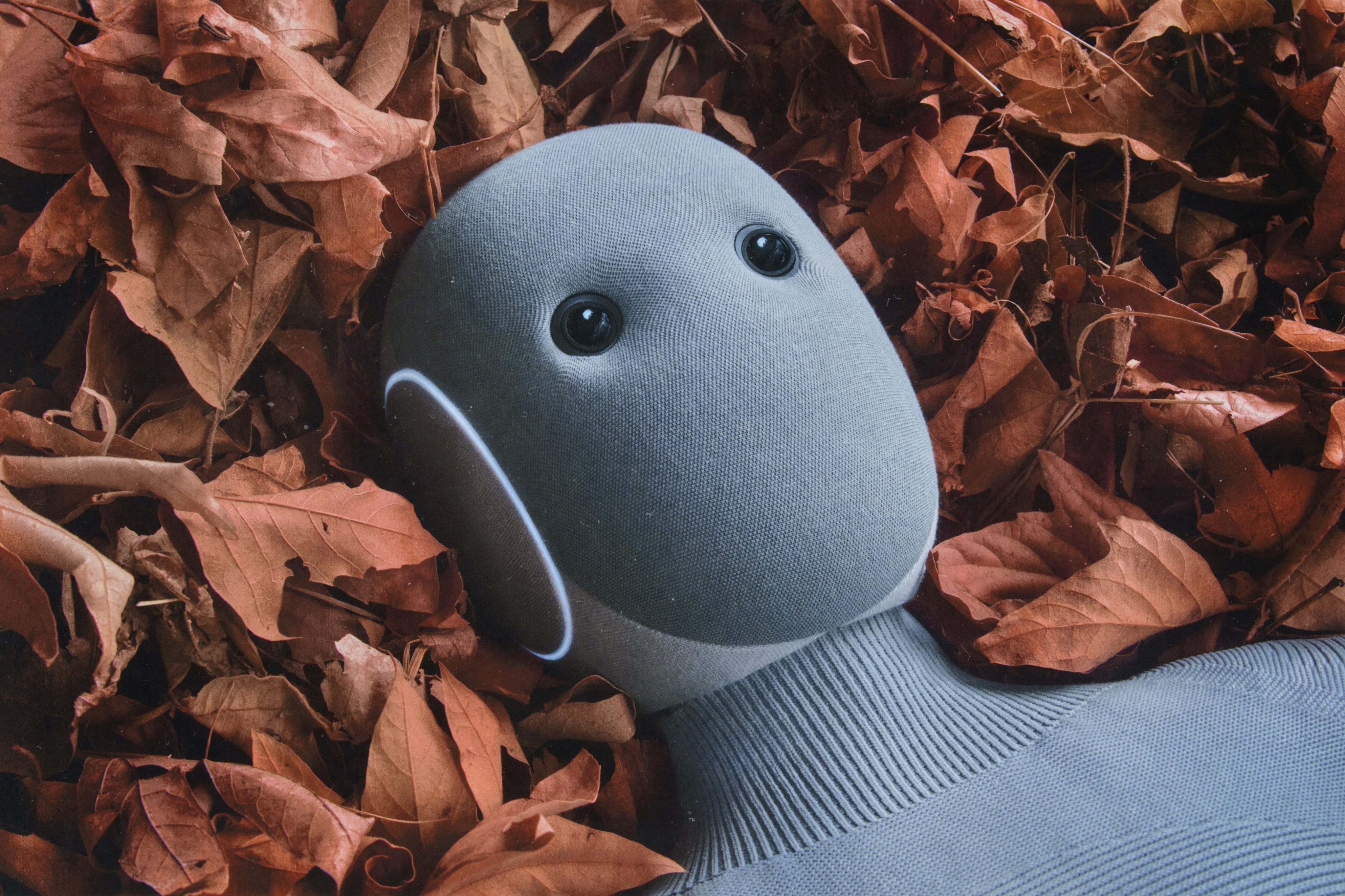
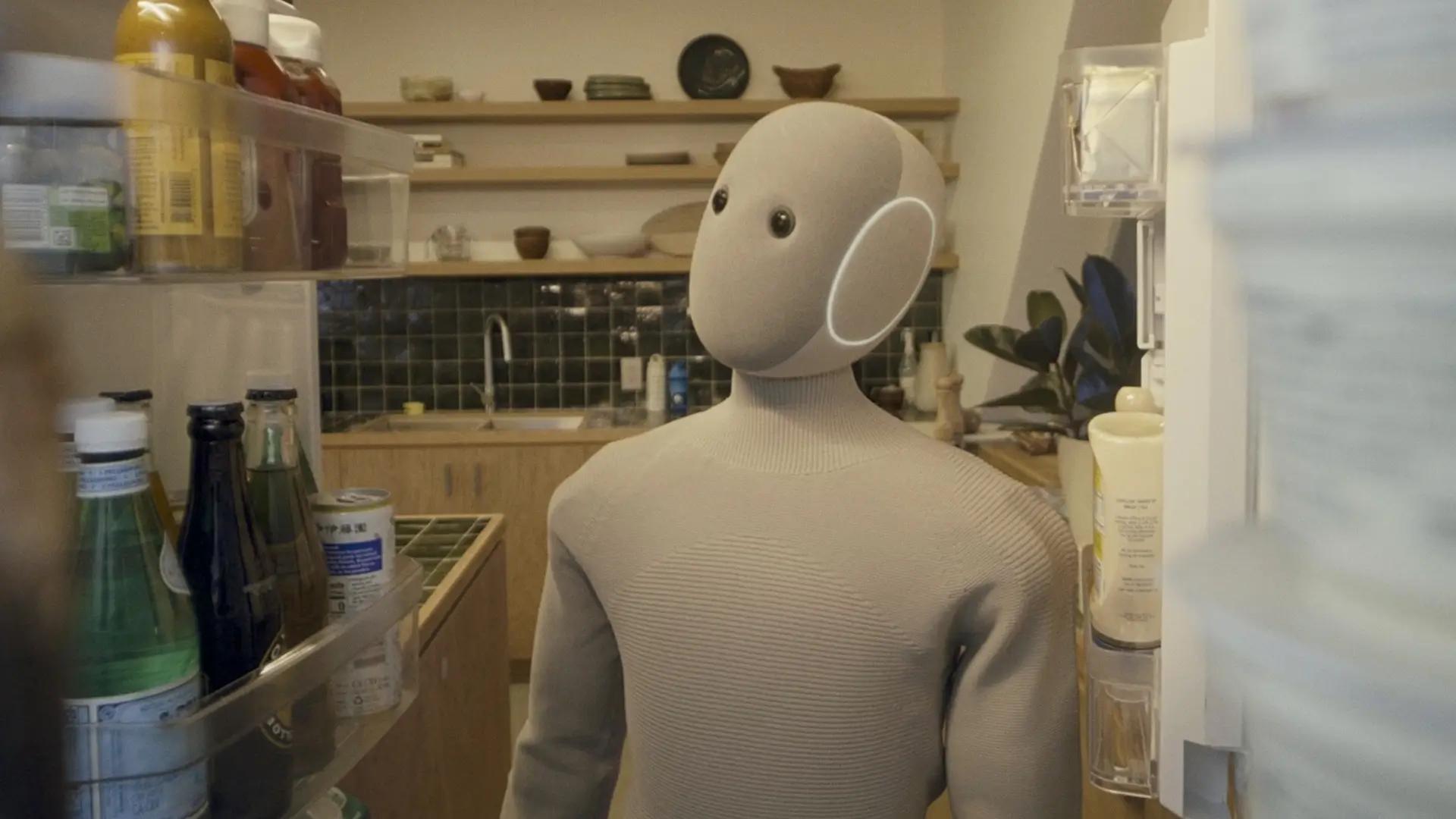
DocumentedNEO is a humanoid robot for the home made by 1X Technologies. 1X opened orders on 28 October 2025 at $20,000 to buy or $499 a month to subscribe, with a $200 deposit. The robot is 5 feet 6 inches tall and weighs 66 pounds. 1X says pre-orders filled its first year of production capacity, 10,000 robots, within five days.
On 30 April 2026 the company announced a 58,000 square foot factory in Hayward, California, with more than 200 employees, and said full-scale production had begun. It said current robots were going first to its internal team and to in-home testing, and that the first customer robots would ship in 2026, to some customers that year and to others later.
Notebookcheck reported in May 2026 that the target was first private customers in the United States by the end of 2026, with remote assistance from a 1X expert at scheduled times for tasks the robot cannot yet do alone. An AI2Work article of 25 July 2026, citing a fact-check dated 16 July, found no independently verified delivery to a paying customer as of mid-July 2026.
On 24 November 2026 the order page showed the $200 deposit and gave no delivery date.
Why it matters
Editorial viewNEO is the humanoid in this catalogue that is sold most like a consumer product: a public price, a deposit, a queue. Unitree will sell an individual a robot, but most of its humanoid revenue comes from laboratories and schools. 1X is selling to the household, and by its own count orders for ten thousand robots arrived within five days.
It is also the frankest illustration of what a home robot currently is. Early units, by the reporting we read, rely on a human expert at 1X stepping in remotely for the tasks the robot cannot do. The object in the living room is one half of a system whose other half sits somewhere else.
That is not a criticism so much as a fact a collector has to reckon with. A NEO is a robot, a service and a relationship with its maker, and only the first of those can be put on a shelf.
Rarity
Not documentedNo delivered-unit figure has been published. 1X claims 10,000 first-year pre-orders and states combined capacity at its Hayward and San Carlos sites of up to 10,000 robots a year. How many NEOs are in customers' homes, if any, was not established.
What to look for
- 01A purchase, not a subscription. A robot on the monthly plan is not owned and cannot be kept.
- 02The order confirmation with its date, and the delivery paperwork. 1X says its first year of capacity was reserved within five days of 28 October 2025; an early place in that queue is provable only on paper.
- 03Independent evidence of delivery. As of mid-July 2026 no delivery to a paying customer had been independently verified.
- 04The service terms: what the robot does without scheduled remote assistance from 1X, and what happens if that service ends.
- 05A complete, unmodified unit with its original packaging and accessories.
Is the first NEO delivered to a paying household the first real relic of the home-robot era?
What follows is Future Relics’ editorial opinion. It is an argument about cultural significance, not a price forecast. We may be wrong, and we keep our old theses online when we are.
It has the best claim of any robot on sale, and the claim depends on an event that we could not confirm has happened.
The case for it: NEO is sold to households, openly, at a stated price, and 1X says the first year's 10,000 robots were reserved in five days. If home humanoids become ordinary, there will have been a first one delivered to a paying household, with an order number and a date. That robot, and the earliest ones after it, would be to this field what a first-batch machine is to any other. The purchase option matters here. A bought NEO is an object. A subscribed one is a rental.
The case against is substantial. As of mid-July 2026, a fact-check found no independently verified delivery to a paying customer, and we could not establish whether one took place afterwards. The early robots depend on remote human help from 1X for tasks they cannot do alone, so a NEO separated from its maker may not do very much. And these are household machines in intent: they will be used daily, updated, repaired and eventually replaced. The expectation that few will survive complete and unmodified is reasonable, but it is an argument, not a fact.
There is a harder point. An object whose function lives partly on a company's systems and in its staff is not preserved by keeping it in a box. What survives is the shell and the paperwork.
So the thesis is narrow: an outright-purchase NEO from the first documented customer deliveries, with its order confirmation and delivery record, kept complete. Not a deposit receipt, and not a subscription unit.
Precedents
- Sony AIBO ERS-110 (1999): 5,000 units sold direct to consumers, the 3,000 for Japan in 20 minutes by Sony's account. The closest parallel to NEO's pre-order rush, with the difference that Sony published the size of the run.
- Sony AIBO after its maker moved on: Sony announced the end of AIBO on 26 January 2006 and, according to Wikipedia, stopped repairing older models in July 2014. Owners were left with independent repairers.
- Starlink round dish (2020): under the November 2026 replacement programme a swapped dish is deactivated and cannot be transferred. Hardware that depends on a service can be switched off by its maker.
What would prove us wrong
- Deliveries to paying customers may be later, fewer or different from what was ordered. None had been independently verified by mid-July 2026.
- Dependence on 1X. Early units rely on scheduled remote assistance; if the service changes or ends, part of the robot's function goes with it.
- Subscription units are not owned. If most customers choose the monthly plan, few NEOs will ever be free to change hands.
- Volume and succession. With stated capacity of up to 10,000 a year, an ordinary NEO will not be rare, and a later model may be the one people remember.
How to acquire
Ordered at 1x.tech with a $200 deposit: $20,000 for an Early Access purchase or $499 a month on subscription. The order page gave no delivery date on 24 November 2026. Deliveries are to the United States first; other markets from 2027 was seen in search results only. The purchase and subscription prices come from press coverage, not from the order page as we read it.
How to preserve
The main issue is not physical. Early units rely on scheduled remote human assistance for tasks the robot cannot perform on its own, so what a NEO can do depends on 1X continuing that service. A subscription unit is not owned at all. For a purchased robot, keep the order and delivery paperwork, packaging and accessories together, and record the software it shipped with. Battery care is general advice, not something we have sourced from 1X: assume the pack ages in storage and ask the maker how to keep it.
Where it stands
- 1X ↗
Order page shows the $200 deposit; purchase and subscription prices are from press coverage. No delivery date given.
$20,000 purchase or $499/month; $200 depositPre-orderChecked 24 Nov 2026
Asking prices and stock are as observed on the date shown and change without notice. Future Relics does not sell these objects and currently earns no commission on these links.
What we could not confirm
Whether any customer delivery took place between August and November 2026 could not be established: one low-reliability site claims first units shipped, but we found no primary announcement of a first customer delivery. The $499 monthly figure comes from secondary reports, not from the order page as read. AI2Work is a secondary source that does not link its primary documents. The 10,000 pre-order figure is 1X's own claim. Deliveries to markets outside the United States from 2027 were seen in search results only. Figures were taken from summarised readings of the sources and should be checked against the originals.
Sources
- [1]1X: NEO order page · 1x.tech ↗
- [2]1X: NEO Factory (30 Apr 2026) · 1x.tech ↗
- [3]eWeek: 1X's $20K robot targets US homes in 2026 (27 Apr 2026) · eweek.com ↗
- [4]Notebookcheck: NEO household robot set to launch by the end of 2026 (13 May 2026) · notebookcheck.net ↗
- [5]AI2Work: NEO ships into homes with a human teleoperator still inside (25 Jul 2026) · ai2.work ↗
Record opened 24 Nov 2026 · Last verified 24 Nov 2026