 Photo: OpenAI Supply Co.
Photograph © OpenAI Supply Co.. Original ↗
Codex Micro
OpenAI's first piece of hardware was not the Jony Ive device. It was a $230 keypad for bossing coding agents around, and it was gone in half a day.
- Maker
- OpenAI × Work Louder
- Year
- 2026
- Category
- AI Hardware
$230
Sold out · OpenAI Supply Co.
Relic Score
How we scoreA real first, well reported, with resale figures from a single outlet and no edition size.
The three questions we ask of every object
- Why is it rare?
- No edition size was published. It sold out in about twelve hours and OpenAI said it had no plans to restock, so this is scarcity by discontinuation, not a numbered run.
- What story does it tell?
- OpenAI's first hardware device, as Fortune described it: a $230 keypad for directing coding agents, sold on 15 July 2026.
- Why would someone want it in 2050?
- As the first physical product from OpenAI, if agent-driven coding proves a lasting turn. Without a published number, complete boxed examples with a dated order will carry the claim.
The record
DocumentedCodex Micro is a programmable keypad for controlling OpenAI's Codex coding agents, built with the boutique keyboard maker Work Louder and sold through OpenAI Supply Co. from 15 July 2026 at $230.
It has per-agent status lights, dedicated keys for actions such as accept, reject and push-to-talk, a joystick for launching workflows, a dial that sets the model's reasoning level, and a set of 32 Codex-icon keycaps.
Fortune reported that it sold out about twelve hours after going on sale and that OpenAI had no plans to restock it. Work Louder sells a similar keypad without OpenAI branding. OpenAI's own page still lists the Codex Micro at $230, out of stock.
On the resale side, Fortune recorded a highest resale of $1,250 on 16 July 2026, prices of roughly $800 to $1,000 in the first week, and around $450 by late July. These are reported marketplace figures, not auction results.
Why it matters
Editorial viewEvery hardware company has a first object, and it is rarely the one the company would choose. OpenAI's long-trailed consumer device has slipped to 2027 at the earliest. In the meantime the first physical product with its name on it that people could buy and use is this: a small, slightly absurd desk accessory for a way of working that barely existed two years ago.
That is what makes it interesting. It is a tool for supervising agents rather than writing code, and it fixes a particular month of 2026 in aluminium and keycaps. Whether it reads as a milestone or a curiosity in twenty years depends on whether the device that follows it matters.
The resale curve is worth studying on its own: a fivefold spike on day two, and more than half of it gone within a fortnight.
Rarity
Not documentedOpenAI has not published how many were made. What is documented is the speed of the sell-out (about twelve hours, per Fortune) and the statement that no restock was planned. Without a number, this is scarcity by discontinuation, not a numbered edition.
- Edition type
- Limited · size not published
- Launched
- 15 Jul 2026
- Launch price
- $230
Sold out in about twelve hours. Treated as limited because OpenAI said it would not be restocked; no edition size was given.
Classification
- First Edition
EvidenceDescribed by Fortune as OpenAI's first hardware device; single production run, with no restock planned.
What to look for
- 01A complete set: the keypad, all 32 Codex-icon keycaps, cable and original packaging.
- 02The OpenAI Supply Co. order confirmation. It is the only proof that separates this from the unbranded Work Louder version.
- 03An unused example. These were bought by developers to be used daily; untouched ones will be the minority.
- 04A price nearer the late-July level than the launch-week spike.
Where it stands
- OpenAI Supply Co. ↗
Page shows 'Out of stock'. Fortune reported that no restock was planned.
$230Sold outChecked 24 Nov 2026
Asking prices and stock are as observed on the date shown and change without notice. Future Relics does not sell these objects and currently earns no commission on these links.
What we could not confirm
The number of units made was never published. Other outlets put the sell-out at 'under 24 hours' rather than twelve. Resale figures come from Fortune's reading of marketplace listings.
Sources
- [1]Fortune: OpenAI's first hardware device, the Codex Micro, sold out in 12 hours (27 Jul 2026) · fortune.com ↗
- [2]OpenAI Supply Co.: Co-Lab with Work Louder · openai.com ↗
- [3]TechCrunch: Why is OpenAI selling a ChatGPT basketball? (16 Jul 2026) · techcrunch.com ↗
Record opened 24 Nov 2026 · Last verified 24 Nov 2026
In the Journal
- Limited edition does not mean valuable
Twenty thousand flamethrowers, thirty thousand perfume bottles, fifty thousand hats, eight hundred hammers and fewer than two hundred graphics cards. Rare, desirable and historic are three different things. Here is how to tell them apart.
- The year the AI labs discovered merch
A baseball cap you could not buy, a basketball that sold out, a keypad gone in twelve hours. In 2026 the companies building AI started making objects, and a resale market formed around them within days.
More from OpenAI
Company file →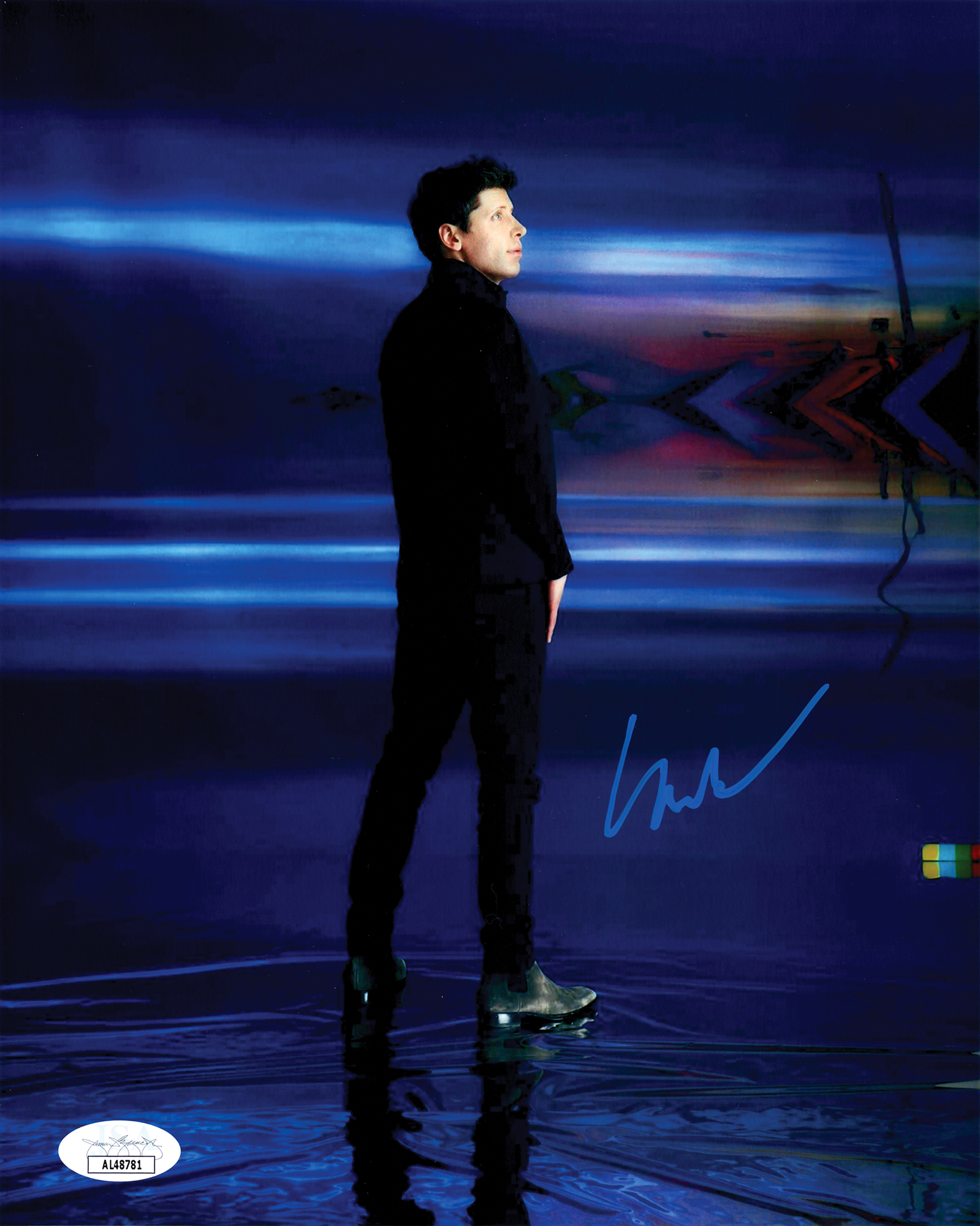 Photo: RR Auction
Sam Altman signed photograph
OpenAI$750
Incl. premium · RR Auction · 22 Aug 2024
 Photo: OpenAI Supply Co.
ChatGPT Basketball
OpenAI · 2026$70
Sold out · OpenAI Supply Co.
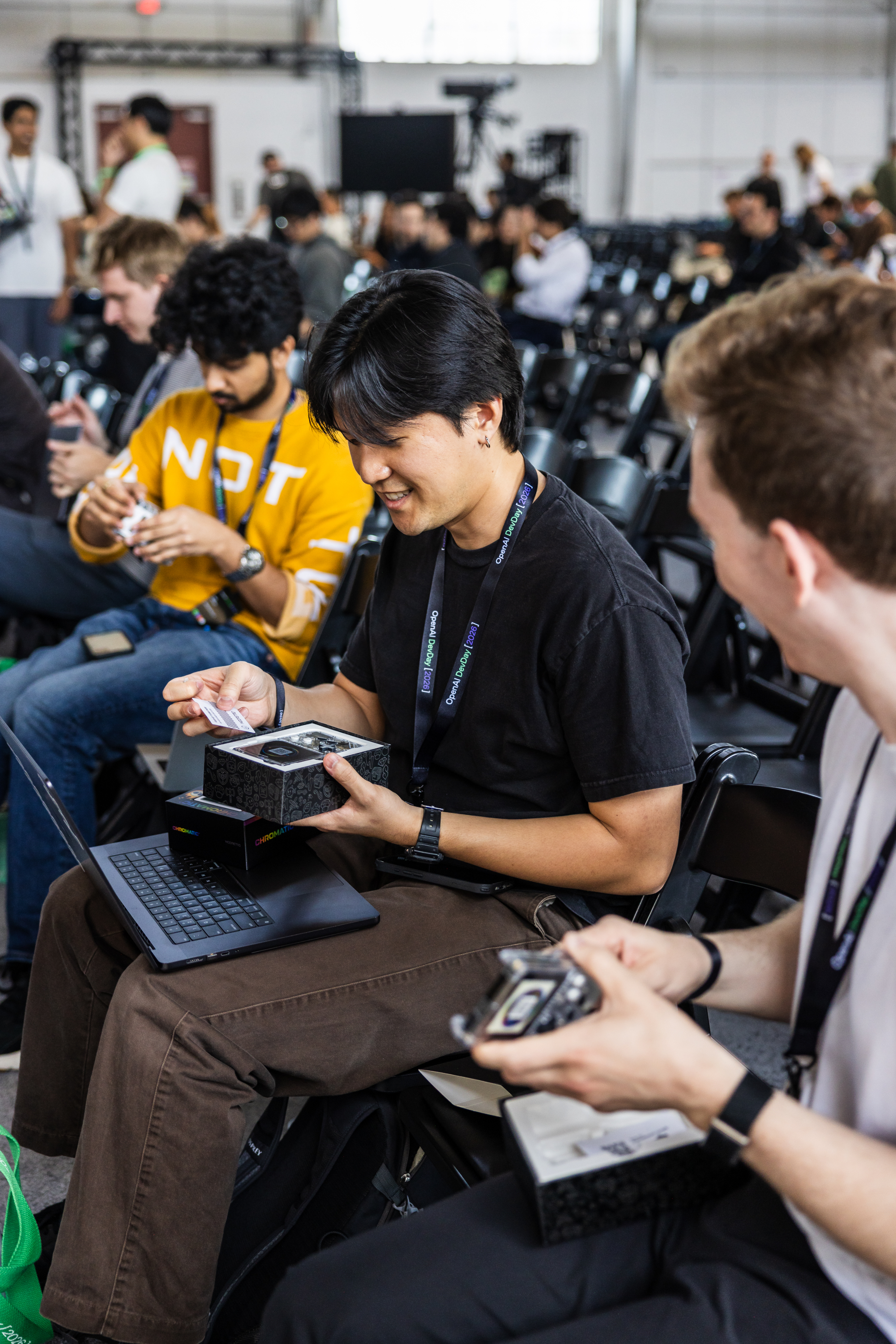 Photo: OpenAI
ModRetro Chromatic, DevDay 2026 transparent edition
OpenAI × ModRetro · 2026Not for sale (event giveaway)
Launch price · 29 Sep 2026
 Photo: OpenAI Supply Co.
ModRetro Chromatic: Codex Edition
OpenAI × ModRetro · 2026$200
Asking · OpenAI Supply Co. (console) · checked 24 Nov 2026