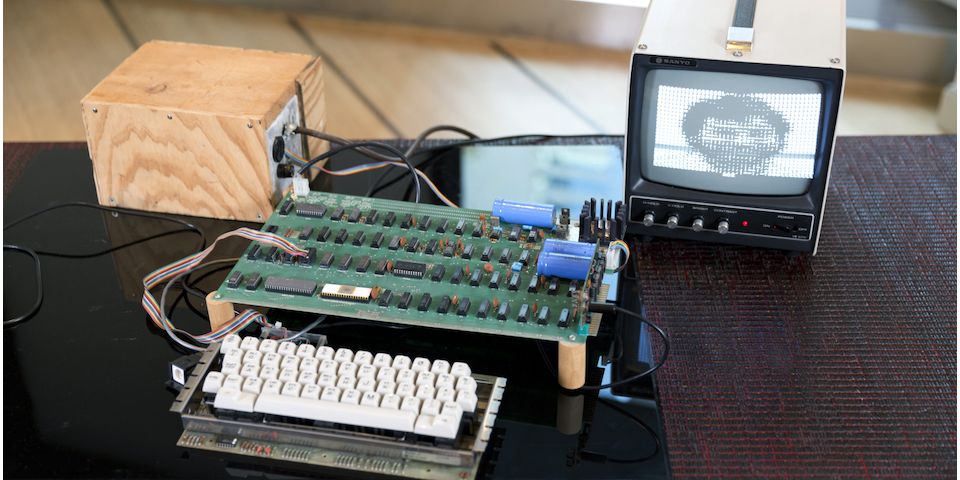
 Photo: Bonhams
Photograph © Bonhams. Original ↗
The John Anderson Apple-1 (The Henry Ford)
Bought in the saleroom by a museum in 2014 for $905,000, almost double its high estimate. The next record claim for an Apple-1 in the sources we have read came ten years later.
- Maker
- Apple
- Year
- 1976
- Category
- Tech History
- Associated with
- Steve WozniakSteve Jobs
$905,000
Incl. premium · Bonhams · 22 Oct 2014
Relic Score
How we scoreDocumented by the auction house's own release and contemporary press, in a market with public sales going back many years.
The three questions we ask of every object
- Why is it rare?
- One of about 200 Apple-1s built; Computerworld reported in 2014 that around 60 survivors were tracked and about 15 worked. No registry number is given in our record.
- What story does it tell?
- A production Apple-1 owned from 1980 by the founder of a Cincinnati Apple user group, then bought in the saleroom by The Henry Ford museum in 2014, a sign of museums competing for the machine.
- Why would someone want it in 2050?
- It now sits in a museum, which is where many people will see an Apple-1 in 2050. As a collectable it has left the market, and its owner history is local rather than historic.
The record
DocumentedAn Apple-1 computer sold at Bonhams' History of Science auction in New York on 22 October 2014. Computerworld reported that it had belonged to John Anderson, founder of the AppleSiders of Cincinnati user group, who acquired it in 1980. The lot included a keyboard, a Sanyo monitor, a power supply in a wooden box, two tape decks and AppleSiders ephemera.
Computerworld gave the estimate as $300,000 to $500,000 and the hammer price as $750,000. With Bonhams' commission the total was $905,000, almost double the high estimate. Bonhams' press release called it the world's most expensive Apple. The winning bid was made in the saleroom by a representative of The Henry Ford museum.
In the same report Computerworld said that about 200 Apple-1s had been produced, that roughly 60 survivors were tracked and that about 15 were known to work.
Why it matters
Editorial viewA museum paying a record price in open bidding does two things. It confirms that institutions regard the Apple-1 as a primary artefact of the twentieth century, and it removes one from circulation.
The figure then stood for a long time. The next Apple-1 we have seen reported as a record was the Paul G. Allen example at Christie's in 2024, at $945,000, on the same $750,000 hammer price. In between and since, working machines have sold for much less: $375,000 in 2025 and $499,363 in 2026.
So $905,000 was not a new floor. It was a peak that only an example with exceptional provenance has matched, and it is worth remembering when a single large result is quoted as the price of an Apple-1.
Rarity
Not documentedComputerworld reported in 2014 that about 200 Apple-1s were produced, roughly 60 survivors were tracked and about 15 were known to work. Those are press figures from the year of the sale, not a registry count.
What to look for
- 01A named early owner with a dated acquisition. Anderson had this machine from 1980.
- 02Period peripherals and user-group paper kept together with the board.
- 03Hammer and total stated separately. This sale is reported both ways, as $750,000 and as $905,000.
- 04The auction house's lot record. We could not locate Bonhams' lot page or lot number.
Sales history
Sourced| 22 Oct 2014 | BonhamsApple-1 computer, History of Science auction, New YorkHammer price $750,000 per Computerworld; the $905,000 total includes Bonhams' commission. Bought by The Henry Ford. | $905,000Price realisedEstimate $300,000 to $500,000 | Source ↗ |
A past result for one example is not a valuation for another. Condition, provenance and timing differ.
What we could not confirm
Bonhams' lot page was not located and the lot number is not recorded. The photograph is a cropped banner from the press release. The sources read do not say whether the machine was working when sold.
Sources
- [1]Bonhams press release: The World's Most Expensive Apple (Oct 2014) · bonhams.com ↗
- [2]Computerworld: Vintage Apple-1 sells for a record $905K (23 Oct 2014) · computerworld.com ↗
- [3]The Value: Steve Jobs's Apple-1 from the Paul Allen collection sells for US$945,000 (13 Sep 2024) · en.thevalue.com ↗
Record opened 24 Nov 2026 · Last verified 24 Nov 2026
More from Apple
Company file →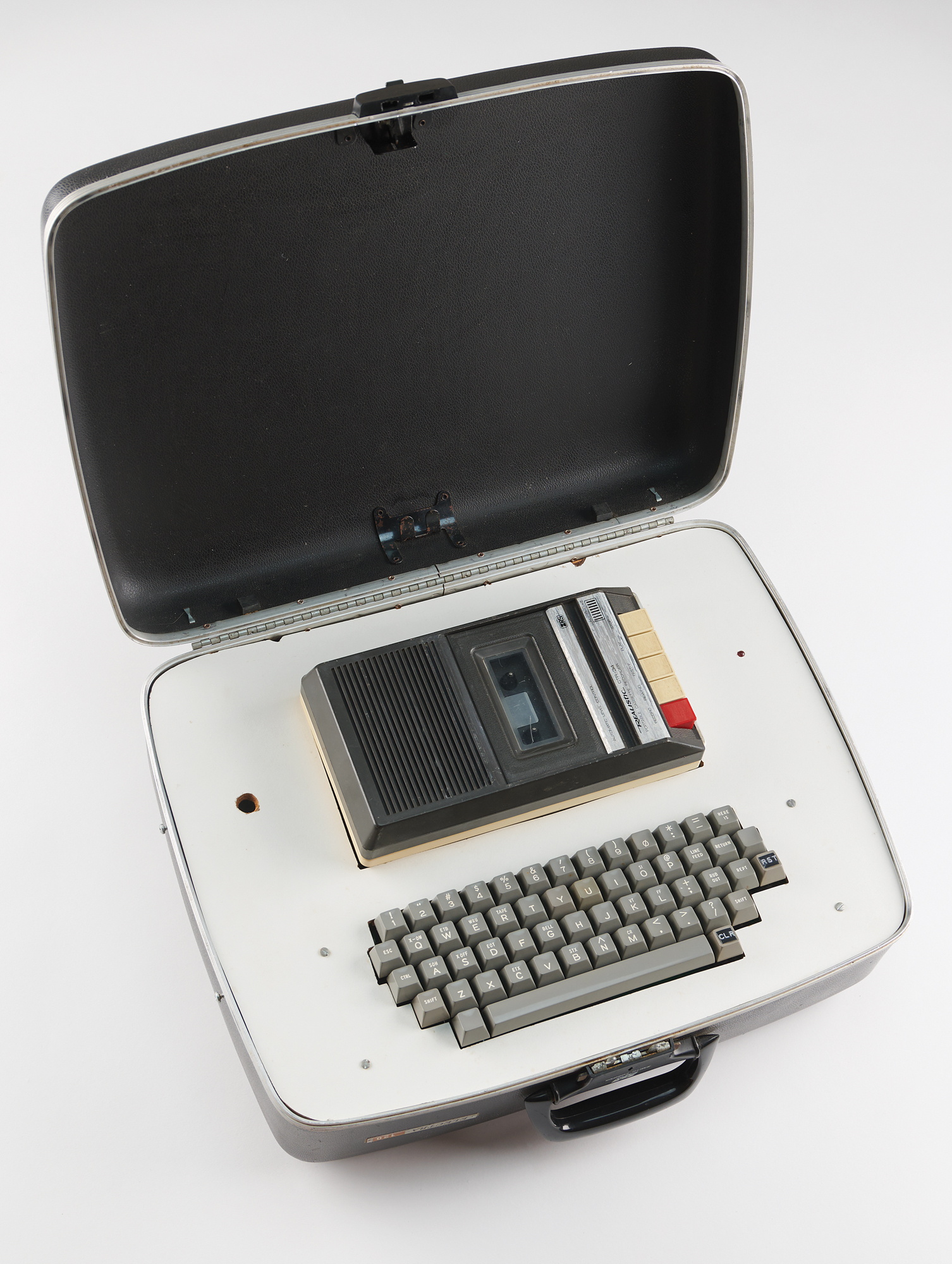 Photo: RR Auction
The 'Neumark' Apple-1 in a Smith-Corona typewriter case
Apple · 1976$499,363
Incl. premium · RR Auction · 20 Aug 2026
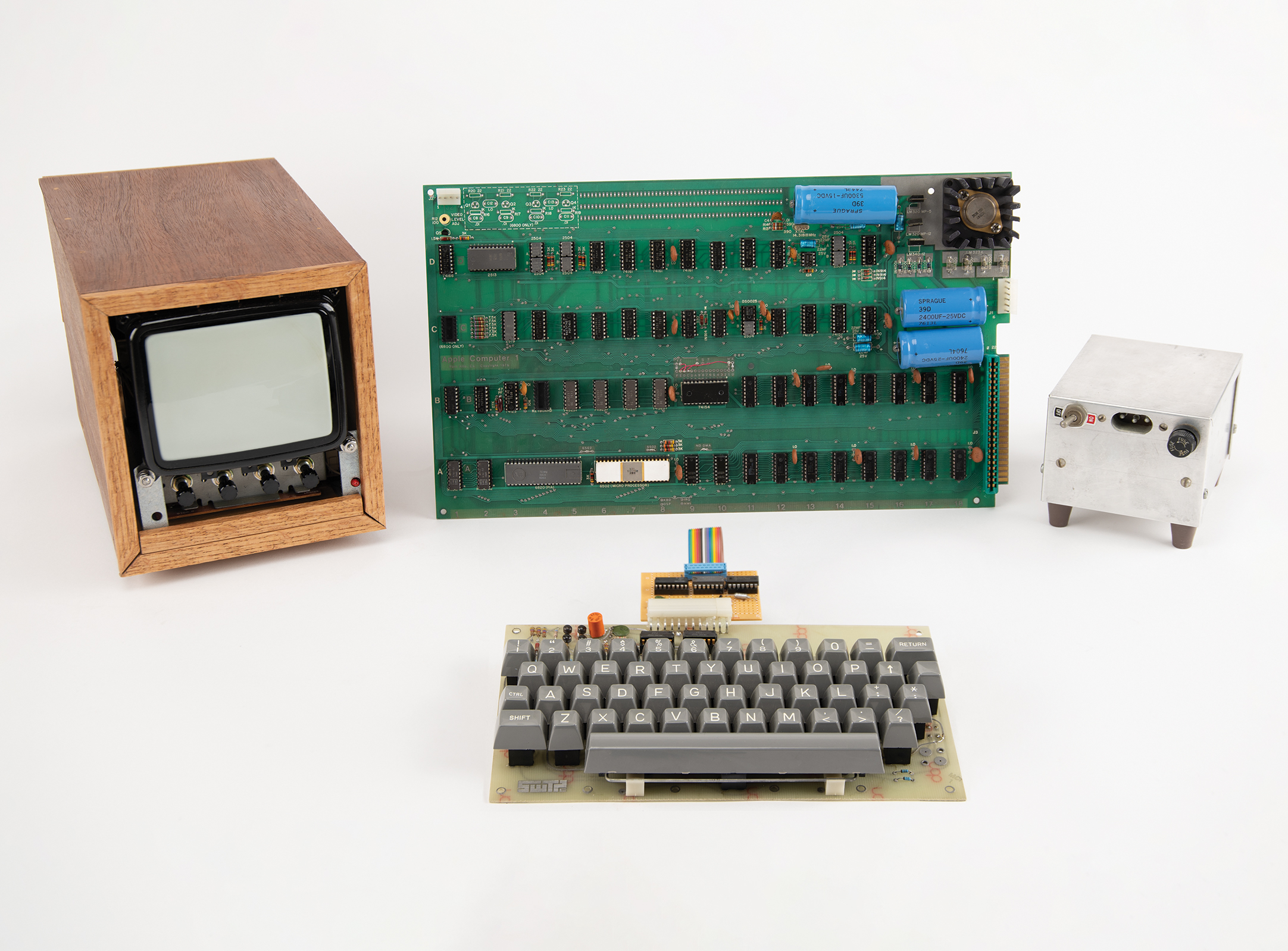 Photo: RR Auction
The 'Bayville' Apple-1 (Apple-1 Registry #91)
Apple · 1976$375,000
Incl. premium · RR Auction · 20 Mar 2025
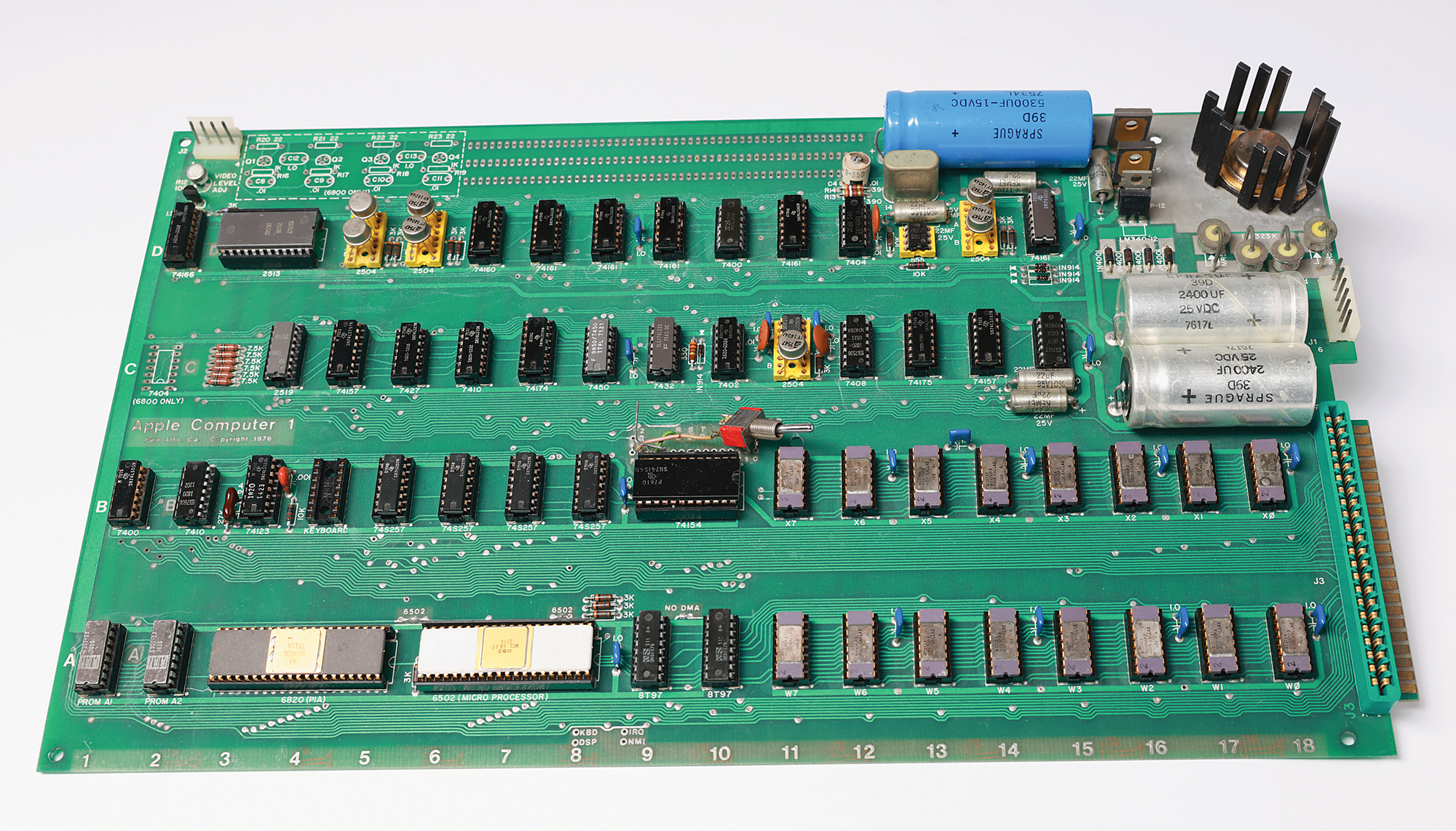 Photo: RR Auction
Apple-1 prototype board #0, the 'Celebration' board
Apple · 1976$2,750,000
Incl. premium · RR Auction · 29 Jan 2026
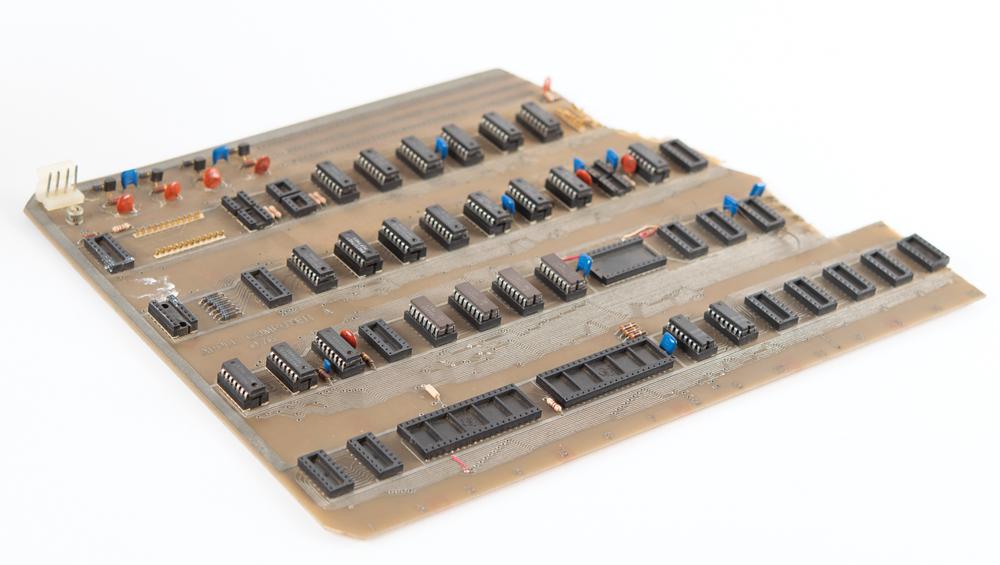 Photo: RR Auction
Steve Jobs's Apple-1 prototype board
Apple · 1976$677,196
Incl. premium · RR Auction · 18 Aug 2022